Introduction
Dancing isn’t just about movement; it’s a form of expression, a way to connect with oneself and others. But where does this journey begin? For many, it starts in a dance studio. The right studio can feel like a second home—comfortable, nurturing, and equipped for growth. In this article, we’ll explore the nuances of choosing a dance studio that feels like home for its students. We’ll delve into various aspects such as atmosphere, community vibe, teaching quality, and facilities. So whether you’re a budding ballerina or an enthusiastic hip-hop dancer, let’s embark on this journey together!
Choosing a Dance Studio: What Makes It Feel Like Home?
When considering choosing a dance studio, it’s crucial to evaluate the environment it provides. A welcoming atmosphere can significantly affect your experience and growth as a dancer.
The Importance of Atmosphere in Dance Studios
- Warm and Welcoming Environment: A studio should evoke feelings of safety and support. This warmth encourages dancers to express themselves freely without fear of judgment. Aesthetic Elements: Mirrors, wooden floors, lighting—these details contribute to a space where creativity flows effortlessly.
Community Vibe: Finding Your Tribe
When you step into a dance studio that feels like home, you’re not just entering a building; you’re joining a community.
- Supportive Culture: Look for studios that foster inclusivity and camaraderie among students. Social Events: Regular workshops or social gatherings can enhance connections beyond the classroom.
Quality of Instruction: The Heartbeat of Dance Studios
Great instructors can make all the difference in your dance journey.
- Experience and Qualifications: Confirm if instructors have relevant training and teaching experience. Personalized Attention: Small class sizes often allow instructors to focus on individual progress.
Facilities Matter: Comfort is Key
A well-equipped studio can greatly enhance your learning experience.
- Flooring Types: Different styles require different flooring types—sprung floors are ideal for ballet, while vinyl is better suited for hip-hop. Changing Rooms and Amenities: Clean lockers, showers, and waiting areas contribute to comfort levels.
Understanding Different Dance Styles Offered
Each style has unique requirements; hence it's important to choose wisely based on your interests.
Ballet: The Graceful Foundation
Ballet offers structure and discipline that benefits all dance forms.
- Why Choose Ballet? Improves flexibility Builds strength
Hip-Hop: The Urban Beat
This energetic form allows for personal expression through movement.
- Community Focused Often emphasizes collaboration among dancers
Jazz: The Fusion Style
Jazz combines elements from various styles offering versatility.
- Fun Factor Encourages improvisation
Contemporary: An Artistic Exploration
Blending ballet with modern techniques creates endless possibilities.
- Emotionally Driven Captures feelings through movement
Location Considerations for Your Dance Studio Choice
Sometimes convenience is key!
Proximity to Home or Work
Having easy access to your chosen dance studio means you're more likely to attend classes regularly.
Safety of Neighborhoods
Always check that the area surrounding the studio is safe during evening classes.
Pricing Structures in Dance Studios: What’s Fair?
Understanding what you're top dance studios paying for will help clarify if it's worth it.
Tuition Fees: Finding Balance Between Quality and Cost
Look into what other studios charge for similar programs. Is there value added through experienced instructors or specialized classes?
Hidden Costs Associated with Dance Classes
Be mindful of additional expenses:
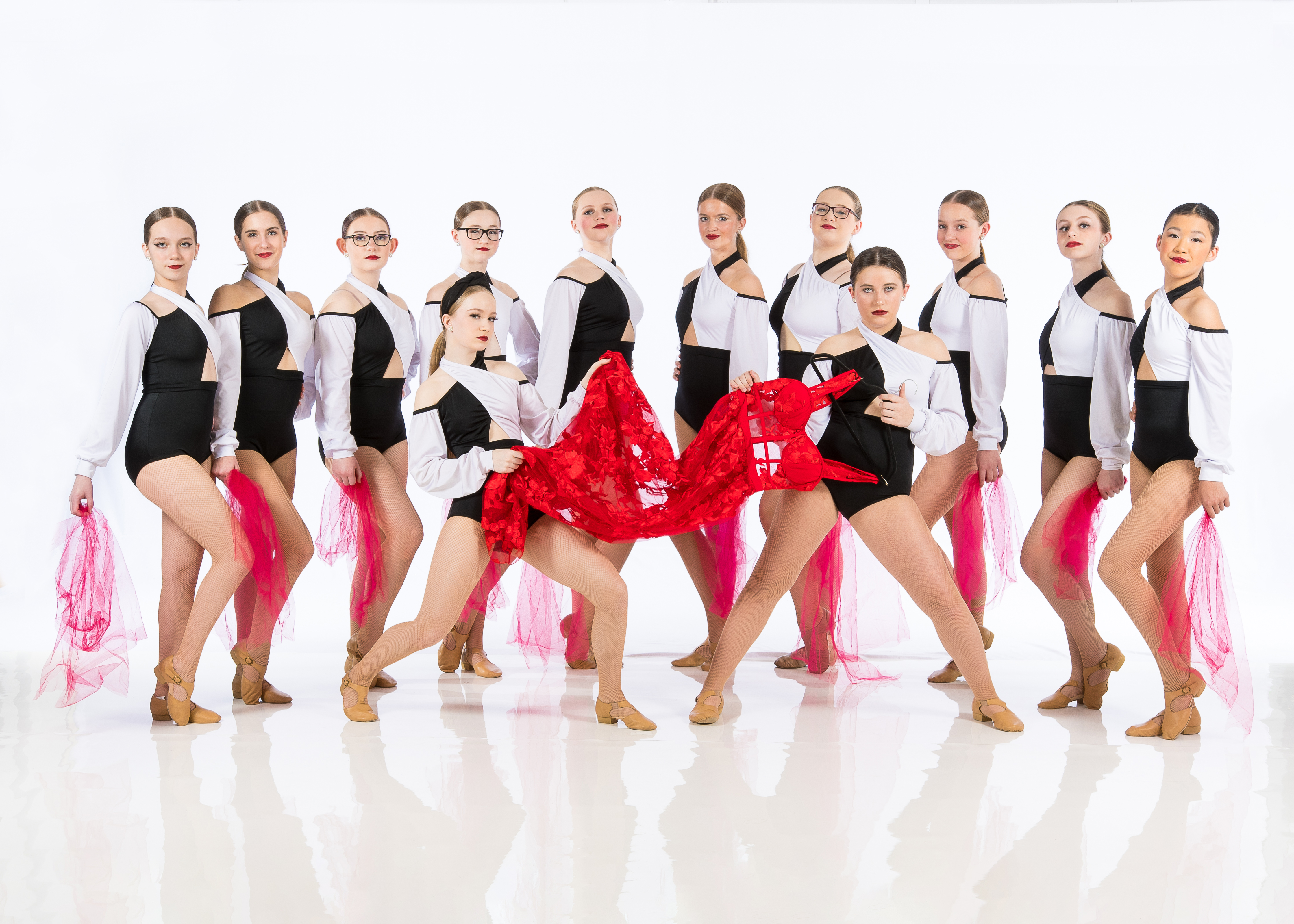
- Costume fees Performance fees
Trial Classes: Testing the Waters Before Committing
Most studios offer trial classes which can be invaluable when choosing where to train.
What to Expect During Trial Classes?
You’ll get an insight into:
- Teaching style Class dynamics
FAQs About Choosing a Dance Studio
1. How do I know if the studio's culture aligns with my values?
Observe interactions between students and instructors during trial classes or open house events—this will give you insights into their community vibe.
2. Are there any age restrictions at dance studios?
Many studios offer classes tailored for various age groups from preschoolers to adults. Check their schedule!
3. How often should I practice outside class?
Consistency is key! Aim for at least two hours per week outside formal lessons—this could include home practice or attending additional workshops.
4. Can I switch styles once I've started dancing?
Absolutely! Many dancers explore multiple styles over time—it's all about finding what resonates best with you!
5. What should I wear to my first class?
Typically fitted clothing allows instructors to see your movements clearly; however, every studio has its own dress code—check beforehand!
6. Is competition necessary in dance?
Not at all! While some studios emphasize competitive dancing, many prioritize personal growth and enjoyment over competition.
Conclusion
Choosing a dance studio isn’t just about location or price; it’s about finding an dance classes environment that feels like home—a space where you can grow both as an artist and as an individual. By considering factors such as atmosphere, community vibe, teaching quality, facilities, style diversity, pricing structures, and trial options, you'll discover what truly resonates with you in your dancing journey.
So go ahead—explore local options until you find that perfect fit! After all, every dancer deserves their place in the spotlight—and sometimes that spotlight shines brightest at home!
In summary, understanding how these elements contribute to making your chosen dance studio feel like home can empower you on your journey as an artist. Whether you're just starting out or looking to refine your skills further down the line, take heart knowing there's a perfect place waiting just for you!