Introduction
Dancing is an art form that transcends boundaries, cultures, and ages. For many, it serves as a form of self-expression, while for others, it becomes a competitive sport. As exciting as it may seem, the path to becoming a proficient dancer can be riddled with challenges—especially for beginners. In this article, we delve into curbing frustration as a beginner dancer in a competitive environment. We will explore practical strategies, share personal anecdotes, and engage in discussions that resonate with the emotions every novice dancer faces.
Curbing Frustration as a Beginner Dancer in a Competitive Environment
Starting your journey in dance can feel overwhelming. The energy in a dance studio can be electrifying yet intimidating. You might find yourself surrounded by seasoned dancers who seem to glide effortlessly across the floor while you’re still grappling with your first steps. This juxtaposition often leads to feelings of inadequacy and frustration. But fear not! Understanding that these feelings are part of the learning process is essential.
Understanding Your Emotions: Why Am I Frustrated?
Frustration is often rooted in unmet expectations. Perhaps you envisioned yourself mastering complex routines within weeks but are still struggling with basic moves after months of practice. Recognizing that this emotional response is normal can help alleviate some pressure.
Common Sources of Frustration for Beginners
- Comparative Analysis: Watching others excel can lead to discouragement. High Expectations: Setting unrealistic goals can create stress. Physical Limitations: Everyone's body learns at different paces.
Transforming Frustration into Motivation
Instead of letting frustration bog you down, channel it into motivation. Here’s how:
Focus on Progress Over Perfection: Celebrate small victories—mastering a step or improving your posture. Set Realistic Goals: Break down your objectives into manageable tasks that build upon each other. Seek Feedback: Constructive criticism from instructors or peers can shine light on areas for improvement.Finding Your Dance Studio: A Crucial First Step
The right dance studio can make all the difference in your learning experience. Here’s what to consider when choosing one:
Location and Accessibility
Is the studio conveniently located? You’re more likely to attend classes if they’re easy to get to.
Class Offerings
Does the studio offer beginner classes? Check if they have specialized sessions tailored for novices.
Instructor Credentials
Look for experienced instructors who understand the challenges beginners face and are adept at nurturing talent.
Community Atmosphere
A supportive community can significantly enhance your experience. Look for studios that promote camaraderie over competition.
Building Confidence Through Practice
Confidence doesn’t magically appear; it’s cultivated through consistent effort and practice.
Create a Practice Schedule
Set aside time each week dedicated solely to practice outside of class hours.
Sample Practice Schedule:
| Day | Focus Area | Duration | |-----------|-------------------------|----------| | Monday | Footwork Basics | 30 mins | | Wednesday | Technique Improvement | 45 mins | | Friday | Choreography Review | 1 hour |
Utilize Online Resources
With technology at our fingertips, numerous online platforms offer tutorials and tips specifically designed for beginners. Websites like YouTube or dance-focused apps provide valuable insights and practices you can incorporate into your routine.
Mindset Matters: Cultivating Positivity
Your mindset plays an invaluable role in how you perceive challenges within dance.
Positive Affirmations
Using affirmations daily can help shift your perspective:
- “I am learning and growing every day.” “Every dancer was once a beginner.”
Visualization Techniques
Before stepping into class, take a moment to visualize yourself executing movements smoothly and confidently.
Networking with Fellow Dancers
Building relationships with other dancers creates support systems that foster growth and understanding.
Join Dance Communities
Participate in local meetups or social media groups dedicated to beginner dancers where experiences can be shared openly.
Benefits of Networking:
- Emotional Support Shared Resources Constructive Feedback
Dealing with Setbacks: How To Bounce Back
Setbacks are inevitable, but they don’t define your ability as a dancer.
Reflect on Your Experience
After facing disappointment (e.g., not successfully performing a routine), reflect on what went wrong rather than internalizing negativity.
Reframe Your Thoughts
Instead of thinking “I failed,” consider “This is an opportunity to learn.”
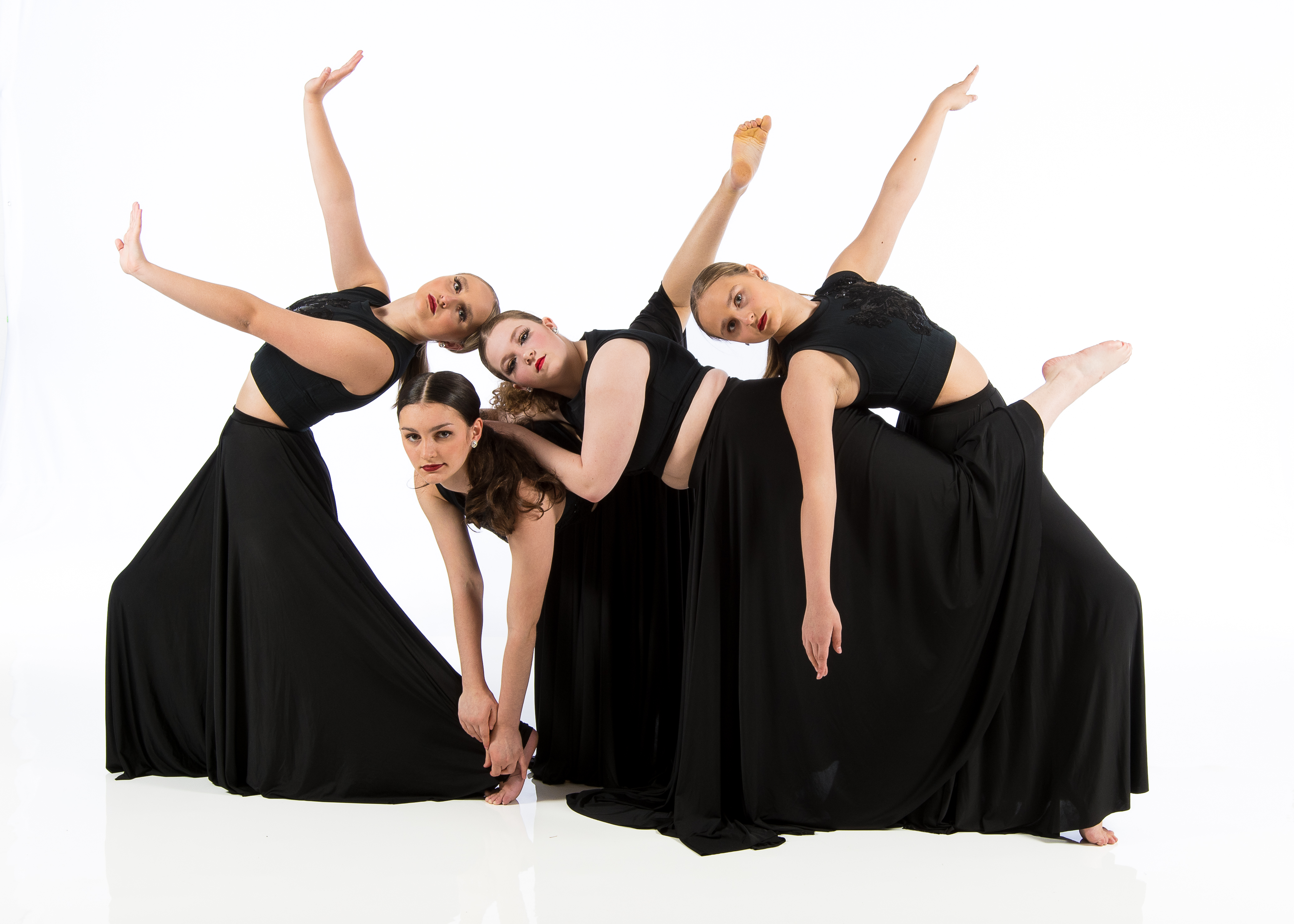
Progress Tracking: Visualize Your Growth
Keeping track of progress encourages motivation; see how far you've come!
Journaling
Maintain a dance journal where you record:
- New skills learned Challenges faced Goals achieved
Example Entry:
Date: September 15th Today I successfully executed my first pirouette! It was wobbly but I did it!
FAQs
What should I wear as a beginner dancer?
Comfortable clothing that allows free movement is ideal. Many opt for leotards or fitted tops paired with leggings or shorts.
How often should I practice?
Aim for at least two to three times per week alongside attending classes to reinforce what you've learned.
Is it normal to feel intimidated?
Absolutely! Many dancers experience intimidation when starting out; remember everyone has been there at some point!
Can adults start dancing later in life?
Yes! Dance is an art form accessible at any age; many adults begin their journey later than childhood or teenage years without issue.
What type of dance should I start with?
Consider starting with styles like ballet or jazz which focus heavily on technique—these will provide foundational skills beneficial across various genres.
How do I handle negative feedback?
Approach negative feedback constructively; ask questions about how you might improve rather than taking it personally!
Conclusion
Curbing frustration as a beginner dancer in a competitive environment takes patience, perseverance, and plenty of self-compassion. Remember that every expert was once an amateur who faced similar hurdles during their journey. By setting realistic goals, finding supportive communities, focusing on progress rather than perfection, and cultivating a positive mindset, you'll navigate this challenging yet rewarding path with grace and resilience.
As https://www.nextbizmaker.com/sherwood/other/doty-performance you continue honing your skills within the walls of your chosen dance studio, hold onto the joy that brought you here in the first place—and let every stumble become just another step towards mastering this beautiful art form!