In today's fast-paced world, the need for innovative thinkers is more crucial than ever. Education has evolved beyond traditional methods, necessitating new ways to inspire creativity and problem-solving skills in young minds. One of the most effective approaches to foster such talents is through creative movement in dance studios and dance classes. This article delves into how creative movement can ignite a spark of innovation among young individuals, shaping them into future leaders, thinkers, and creators.
Introduction
The rhythmic sway of bodies in motion, the infectious energy in a dance studio, and the freedom to express oneself are not just aspects of an art form; they are essential components in nurturing future innovators. Creative movement transforms a simple dance class into a powerful learning experience that promotes cognitive development, emotional intelligence, and social skills.
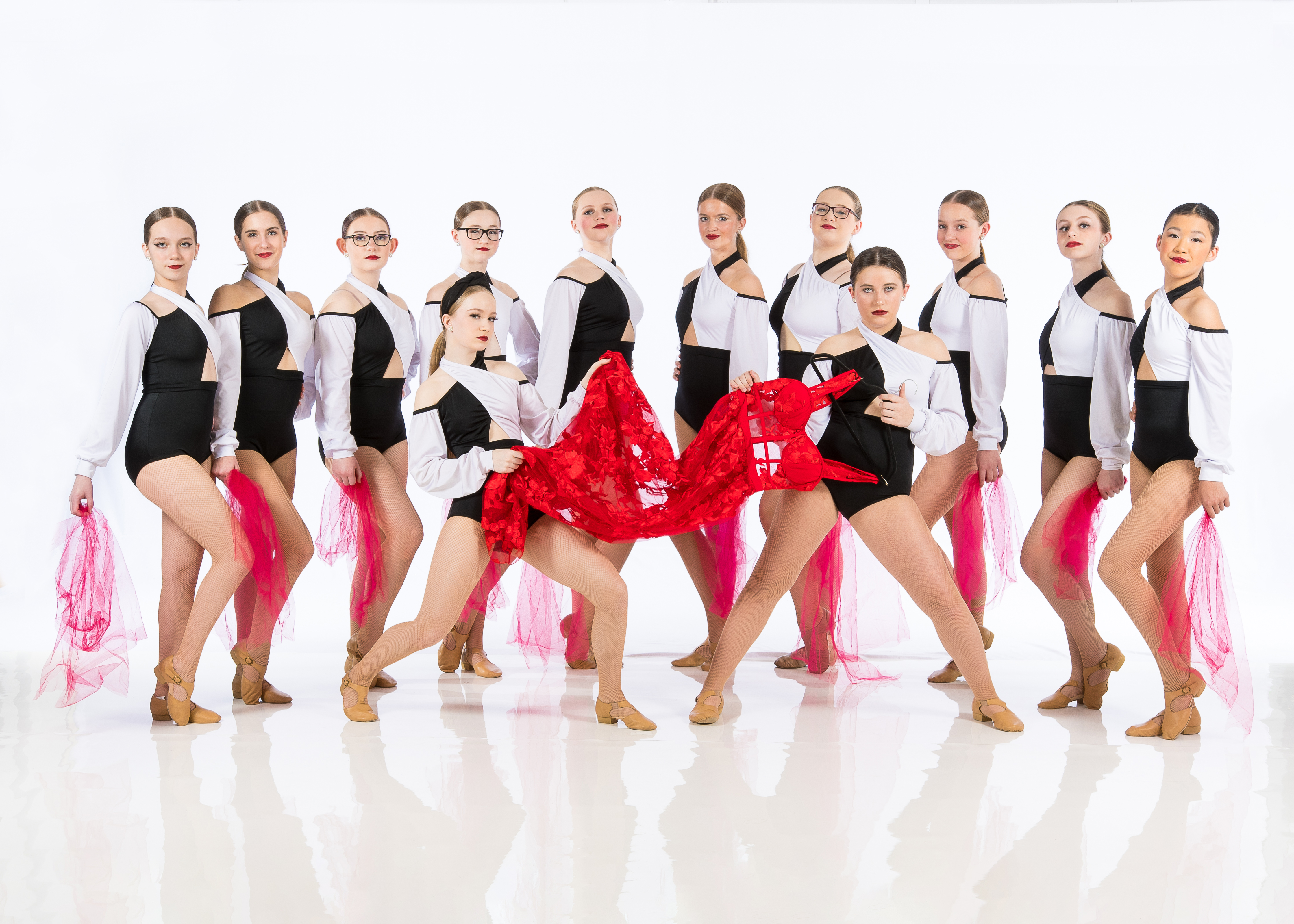
As we explore this topic further, we will uncover the various ways in which creative movement serves as a catalyst for innovation. From enhancing problem-solving abilities to fostering teamwork and collaboration, the benefits are vast and impactful.
What is Creative Movement?
Creative movement refers to an expressive form of physical activity that encourages individuals to explore their bodies' capabilities through improvisation and free expression. It often incorporates elements from various dance styles but emphasizes personal creativity over technical precision.
Key Elements of Creative Movement
Imagination: Participants are encouraged to use their imagination while moving. Exploration: There's no right or wrong way; exploration is at the heart of creative movement. Expression: Individuals express emotions through their movements. Improvisation: Dancers create spontaneously rather than following choreographed steps.The Role of Dance Studios in Fostering Innovation
Dance studios play a pivotal role in providing spaces where creativity flourishes. They serve as safe environments where children can experiment with movement while learning valuable life skills.
Benefits of Dance Studios for Young Innovators
- Safe Space for Expression: Students can freely express themselves without fear of judgment. Encouragement from Instructors: Trained instructors guide students while encouraging individuality. Community Building: Dance studios foster a sense of belonging among participants.
Creative Movement as an Educational Tool
Integrating creative movement into educational frameworks can significantly enhance traditional learning methodologies.
How Creative Movement Enhances Learning
Improved Cognitive Skills: Physical activity boosts brain function. Emotional Regulation: Movement helps children manage their emotions effectively. Social Interaction: Group activities promote teamwork and communication skills.Inspiring Future Innovators through Creative Movement
When children engage in creative movement, they're not merely dancing; they're developing critical thinking skills that inspire innovation. The act of creating choreography or expressing emotions through movements taps into their innate ability to think outside the box.
Examples of Innovative Thinking Through Dance
- A child improvises a new dance sequence during class. Groups collaborate to create an original performance piece.
These experiences encourage children to embrace challenges and come up with unique solutions—traits essential for innovation.
Impact on Emotional Intelligence
Emotional intelligence (EI) plays a significant role in one's ability to innovate and lead effectively. Dance classes that incorporate creative movement nurture EI by allowing participants to connect with their feelings and those of others around them.
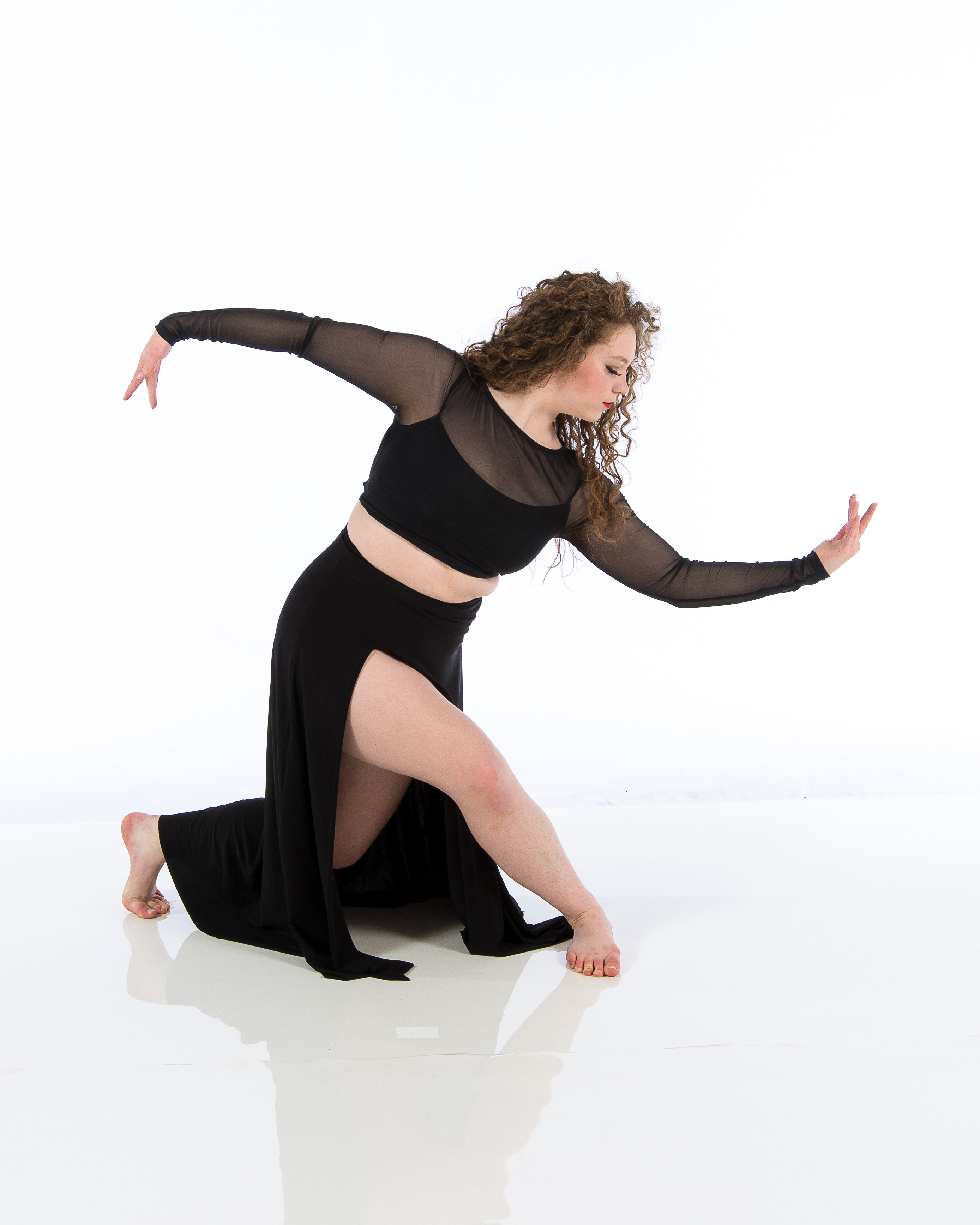
Components of Emotional Intelligence Enhanced by Dance
Self-awareness: Understanding one's emotions leads to better decision-making. Empathy: Recognizing others' feelings fosters collaboration and teamwork. Social Skills: Effective communication enhances group dynamics during performances.The Science Behind Creative Movement and Innovation
Research indicates a strong correlation between physical activity, particularly forms like dance, and cognitive functions crucial for innovative thinking.
1. Neuroplasticity
The brain's ability to reorganize itself by forming new neural connections enhances creativity when exposed to diverse experiences like those found in dance classes.
2. Physical Activity’s Impact on Mood
Dancing releases endorphins—natural mood lifters that can reduce anxiety levels and improve focus, both vital components for fostering innovation.
Creating an Environment for Innovation in Dance Classes
To cultivate future innovators within dance studios, it’s essential to create an environment conducive to creativity and exploration.
1. Encouraging Experimentation
Instructors should motivate students to try new movements or styles without fear of failure—this builds confidence!
2. Providing Diverse Learning Opportunities
Offering various workshops or guest instructors exposes students to different perspectives on movement and creativity.
Curriculum Design Incorporating Creative Movement
A well-rounded curriculum that includes creative movement not only focuses on technical skills but also emphasizes emotional growth and cognitive development.
Key Components for Curriculum Development
Collaborative Projects Interdisciplinary Learning Reflection SessionsBy integrating these elements into dance classes, educators prepare students not just as dancers but as well-rounded individuals ready for any challenge ahead!
The Importance of Collaboration in Dance Classes
Collaboration is at the core of many successful innovations; hence it's crucial for future innovators' development within dance settings.
How Collaboration Enhances Creativity
- Team projects encourage diverse ideas. Group improvisation fosters trust among peers.
These collaborative experiences teach students how different perspectives contribute towards creating something extraordinary!
Use Cases from Successful Programs
Many programs worldwide have successfully integrated creative movement into their curriculums with impressive results:
Examples:
1. The Royal Academy of Dance
They provide innovative programs combining traditional ballet with modern techniques promoting self-expression among young dancers.
2. The National Dance Education Organization
Their initiatives showcase how incorporating diverse teaching methods leads not only towards better technique but also enhanced emotional growth among participants!
FAQ Section
What age group benefits most from creative movement?
Children aged 3-12 years old typically show remarkable improvement as they explore their physical capabilities during this formative stage!
How do I find local dance studios offering innovative classes?
Many community centers list available programs online; consider checking local directories or social media platforms dedicated specifically towards arts education near you!
Can adults benefit from creative movement too?
Absolutely! Many adult classes emphasize personal expression alongside fitness—creating opportunities regardless if you're five or fifty-five years old!
Is prior dancing experience necessary?
Not at all! Most classes welcome newcomers eager just like you exploring opportunities without needing prior experience beforehand!
What types of dances are included within these classes?
Creative movement may include anything—from contemporary styles incorporating improvisation—to hip-hop focusing heavily upon rhythmical patterns!
Are there any documented outcomes regarding academic performance?
Yes! Numerous studies indicate improved concentration levels correlated positively among students participating regularly within structured artistic environments such as those found inside our beloved “dance studio” settings!
Conclusion
“Inspiring Future Innovators through Creative Movement” is more than just a phrase; it's a call-to-action aimed at educators, parents, and community leaders alike! By embracing creative movement within our educational frameworks—especially inside invigorating spaces like “dance studios”—we're sculpting not only skilled dancers but versatile thinkers ready tackle whatever challenges await them out there!
Let us champion this transformative approach together so we can nurture generations filled with boundless imagination—a true testament towards what happens when art meets education head-on!