Introduction
Dance is more than just a form of art; it's an expression, a journey, and a personal adventure. Whether you're a novice stepping into your first dance studio or a seasoned performer looking to refine your skills, understanding what you want from your dance experience is essential. Setting clear goals not only provides direction but also enhances your enjoyment and satisfaction in the process. So, how do you begin this journey of self-discovery and goal-setting in the realm of dance? In this article, we’ll explore various aspects of setting goals in dance, the significance of these objectives, and practical steps to achieve them.
Setting Goals: What You Want from Your Dance Experience and How to Find It
When embarking on your dance journey, it’s critical to ask yourself: what do I truly want from my time spent in the studio? This question can shape your experience profoundly. Are you dancing for fitness? To express creativity? Or perhaps you're eyeing a career in performance? Each answer leads to distinct pathways and requires different strategies for goal-setting.
Understanding Your Motivation for Dancing
Why Do You Dance?
Before diving into goal-setting, reflect on why you’re drawn to dance. Here are some common motivations:
- Self-Expression: Many find dance as an outlet for emotional expression. Physical Fitness: Dance offers an enjoyable way to stay active. Social Connection: For some, it’s about making friends and building community. Artistic Pursuit: Aspiring artists may wish to hone their craft.
Recognizing your motivation will guide your goal-setting process effectively.
Identifying Personal Values
Your values play a huge role in shaping your dance experience. Ask yourself:
- What qualities do I admire in dancers? How important is technical skill versus creative freedom?
Aligning your goals with your values ensures that they resonate personally.
Types of Goals in Dance
Short-Term vs Long-Term Goals
Goals can generally be categorized into short-term and long-term objectives:
Short-Term Goals- Focused on immediate improvements Examples include mastering a specific routine or improving flexibility.
- Encompass broader aspirations Examples might involve preparing for competitions or auditioning for performances.
Both types serve essential roles in creating a balanced approach to your dance experience.
SMART Goals Framework
Using the SMART criteria can help you formulate effective goals:
- Specific: Clearly define what you want to achieve. Measurable: Set criteria for measuring progress. Achievable: Ensure that your goals are realistic. Relevant: Align with your overall aspirations. Time-bound: Specify when you aim to achieve these goals.
Creative vs Technical Goals
It’s also important to distinguish between creative and technical goals:
- Creative goals might focus on choreography or improvisational skills. Technical goals could involve mastering certain techniques or styles of dance.
Balancing both aspects will enrich your overall experience at the dance studio.
How to Set Effective Dance Goals
Self-Assessment: Know Where You Stand
Before setting any goals, conduct an honest self-assessment:
- What are my strengths in dancing? Where do I feel I need improvement?
Understanding where you currently stand allows for more targeted goal-setting.
Seek Feedback from Instructors
Your instructors can provide valuable insights based on their observations:
- Ask them about areas where you excel and those that need work.
This feedback can serve as a foundation when establishing specific objectives.
Visualization Techniques for Goal Achievement
The Power of Visualization
Imagine yourself achieving the desired outcome vividly. Visualization can enhance motivation and focus significantly:
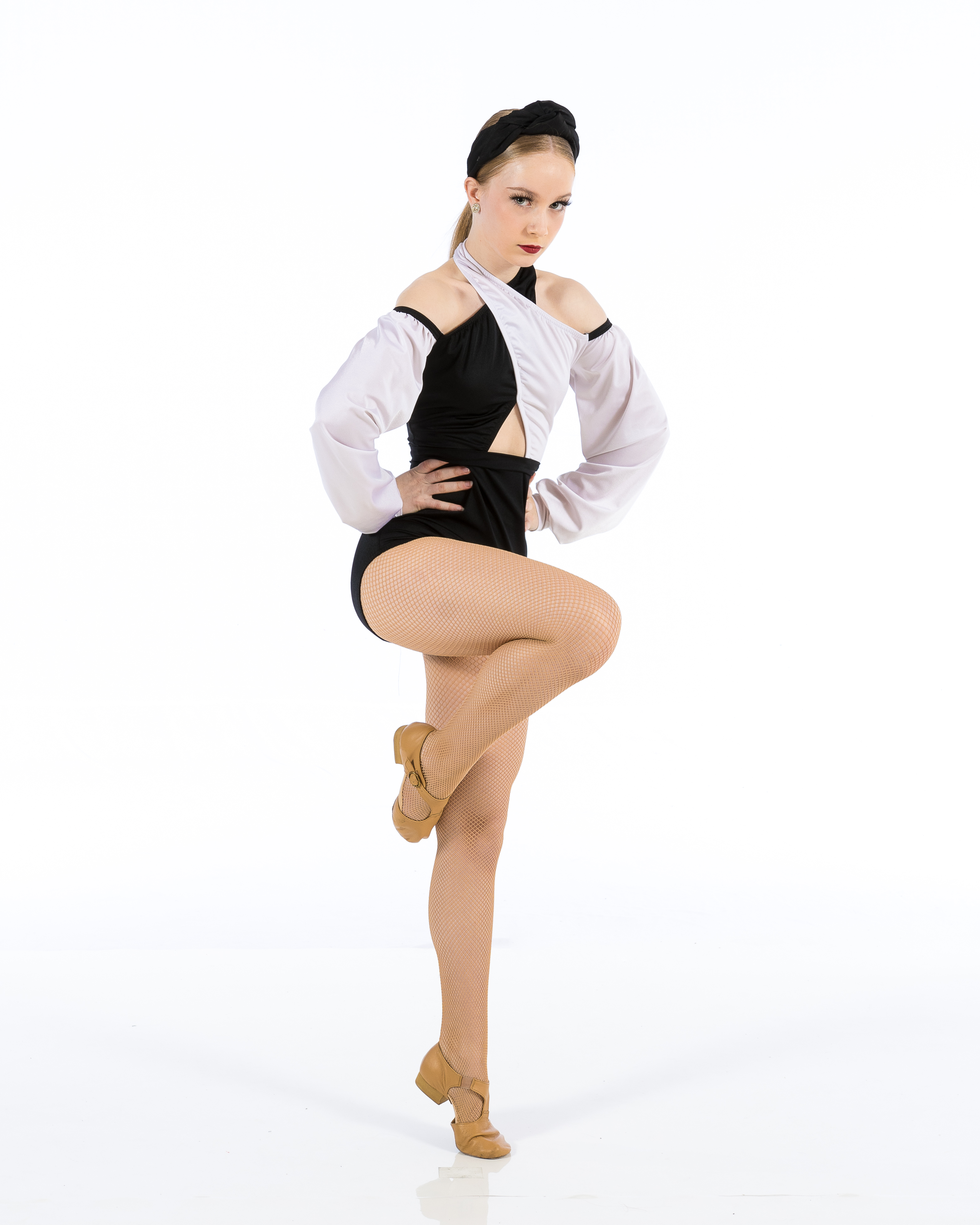
Engaging all senses during visualization strengthens belief in achieving these goals.
Creating Vision Boards
A vision board is a fantastic tool for visual learners:
- Collect images, quotes, or anything that resonates with your dance aspirations.
Display it prominently where you'll see it regularly—it serves as constant inspiration!
Tracking Progress Towards Your Dance Goals
Journaling Your Journey
Keeping a journal is an excellent way to document progress:
Record achievements weekly or monthly. Reflect on challenges faced and how you overcame them.This practice not only tracks growth but also reinforces commitment towards achieving set goals.
Regular Check-ins with Yourself
Schedule regular check-ins (monthly or quarterly) to assess progress:
- Are you moving towards those long-term aspirations?
Adjustments may be necessary along the way based on these reflections.
Finding Community Support at Your Dance Studio
Joining Classes and Workshops
Participating actively in classes helps create bonds with fellow dancers:
Attend workshops outside regular classes—these often introduce new techniques! Engaging with like-minded individuals fosters camaraderie and collective motivation.Having peers who share similar ambitions creates accountability!
FAQs about Setting Dance Goals
What if I have multiple interests in different dance styles?- Explore each style! Set individual goals per style while keeping overarching objectives aligned across them all.
- Monthly reviews work well! They allow time for reflection while keeping momentum going without overwhelming yourself.
- Absolutely! Life changes; so should your goals! Flexibility ensures that they remain relevant and motivating!
- Adjusting expectations is part of growth! Reflect on what didn’t work rather than dwelling solely on unmet targets—learn from it!
- Definitely! Sometimes exploring different aspects leads naturally into finding those clear-cut objectives over time!
- Mix structured training sessions with free-style dancing—keeping things fresh maintains enthusiasm while still honing skills!
Conclusion
Setting goals is fundamental when navigating through the vibrant world of dance; it shapes every step taken within this dynamic art form! By understanding motivations, distinguishing between various types of objectives https://www.agrinoseeds.com/what-to-expect-in-your-childs-first-dance-studio-class-a-parents-guide.html while utilizing frameworks such as SMART criteria—the path becomes clearer than ever before! Remember that consistency matters but so does joy—don’t lose sight of why you started dancing altogether!
So whether you're looking forward to performing at showcases or simply enjoying movement; embrace each moment wholeheartedly knowing every step brings closer fulfillment towards those dreams achieved through dedicated efforts inside that cozy little dance studio space where magic happens daily!
With patience combined with passion—your unique journey awaits ahead filled with rhythm leading ultimately toward personal excellence & triumphs awaiting discovery!